Professional Turf Care

Lawn Aeration & Seeding in Upstate South Carolina

A non-chemical, cultural practice that makes every other treatment work harder.

Get Your Free Lawn EstimateGet Your Free Estimate

Enter your address to start

No callsNo waitingNo sales pitch

By continuing, you agree Nature's View Lawnscapes may contact you about your request by phone, text, or email. Reply STOP to opt out.

Add-On Program

Why the Upstate needs it more than most

Lawn aerification provides air filtration to the soil, relieves compaction, and improves water and nutrient uptake for the turf. In the Upstate that matters more than it does in most of the country, because what is under your lawn is Piedmont red clay — dense, slow-draining, and quick to compact under foot traffic, mowers and summer storms.

Warm season grasses like Bermuda, Zoysia and Centipede need aerification in the heat of the summer to maximize nutrients. Cool season grasses like fescue benefit from aerification in early fall, to allow for efficient gas exchange in the soil heading into their strongest growing window.

We recommend aerification for all of our clients, and we especially encourage owners of fescue lawns to consider it. Our aerification and seeding programs use non-chemical, cultural practices to enhance the overall health of the turf.

Aerification provides air filtration to the soil, relieves compaction, and improves water and nutrient uptake for the turf.
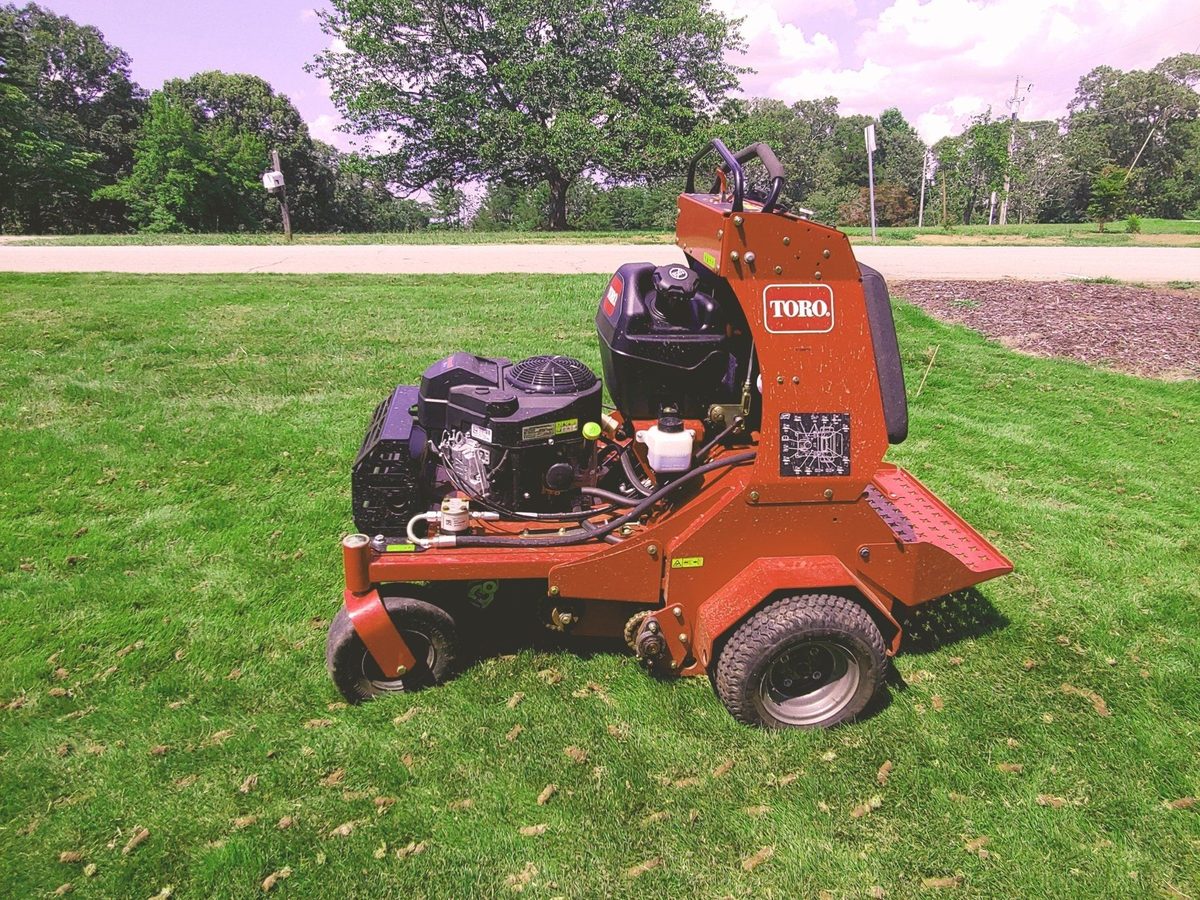
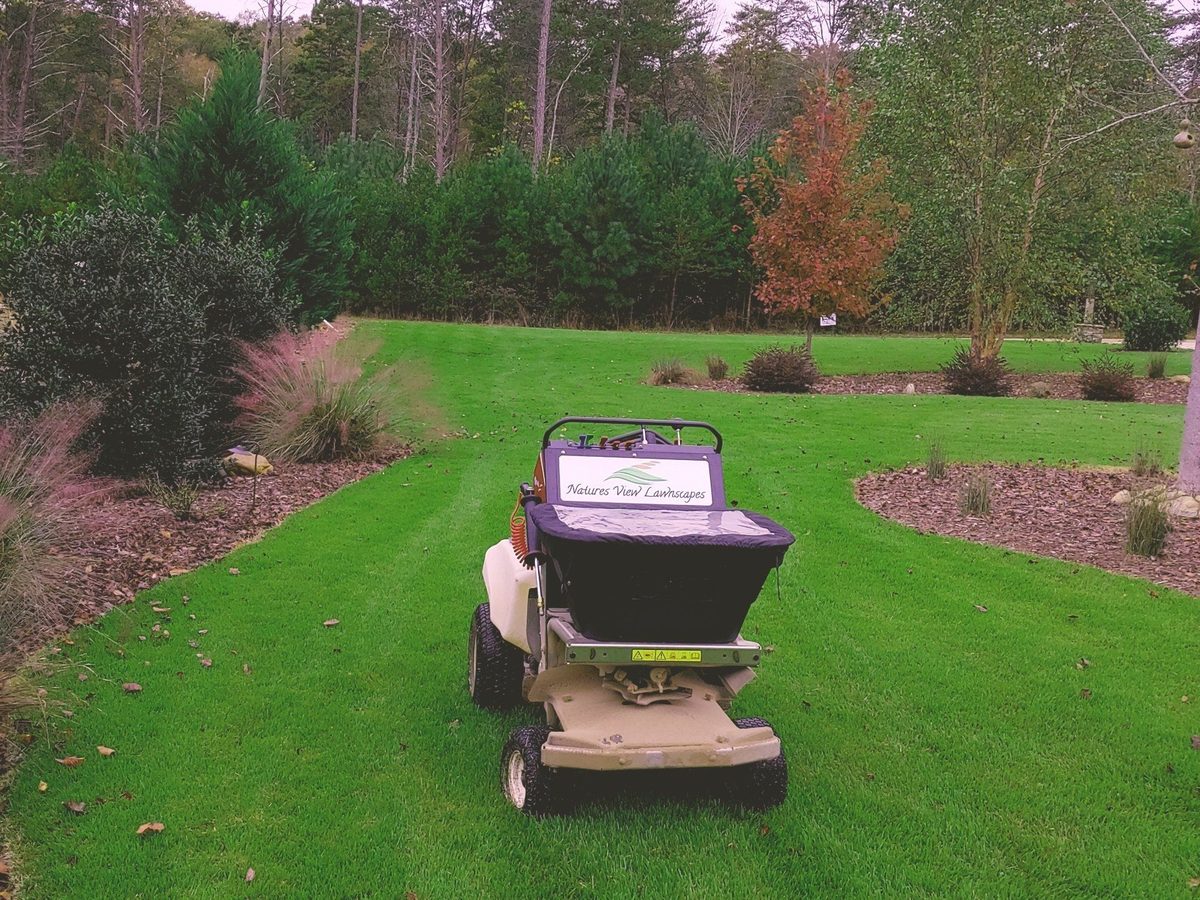
Core AerationOverseedingCompaction ReliefNon-Chemical
Get A Nature's View Lawnscapes Quote
Aerification & Seeding

What's Included

Core aerification — Pulls plugs rather than punching holes, which is what actually relieves compaction in heavy Piedmont clay.
Timed to your species — Warm-season grasses in the heat of summer; fescue in early fall. The timing is the treatment.
Seeding on fescue — Fescue does not spread to fill its own thin spots. Seed goes down into open soil while the ground is still warm.
Non-chemical — Our aerification and seeding programs use cultural practices to improve the overall health of the turf — no product involved.
Our process

How aerification is scheduled

Around your grass, not around our calendar

We check the species and the season application

We check the species and the season Application

Summer for Bermuda, Zoysia and Centipede. Early fall for fescue. Getting this backwards is the most common mistake we inherit.

We pull cores application

We pull cores Application

Plugs come out of the clay, compaction is relieved, and the root zone opens to air and water.

Seed goes down where it belongs application

Seed goes down where it belongs Application

On fescue, seed drops straight into open holes in warm soil — the one window each year when a thin lawn can genuinely be rebuilt.

Frequently asked questions

Aerification & Seeding FAQs

When should my lawn be aerated?
It depends entirely on the grass. Warm-season grasses like Bermuda, Zoysia and Centipede need aerification in the heat of the summer, when they are actively growing. Fescue benefits from aerification in early fall. Aerating at the wrong end of the year does more harm than good.
Do I really need it if my lawn looks fine?
We recommend aerification for all of our clients, and we especially encourage it for fescue lawns. It relieves compaction, gets air and water down to the root zone, and improves nutrient uptake — it makes everything else in the program work better.
Is seeding included?
Seeding is paired with aerification on fescue lawns, where the thinning is annual and expected. Warm-season grasses spread on their own and are generally aerated without seed.
Free estimates

Get Your Free Lawn Estimate

Tell us your address and your lawn gets measured and priced per square foot — no guessing, no obligation.

Also available

Our Other Services